The Brand Conversion Story: The Founder Journey Your Customers Need to Hear
Article Contents
The story of what changed you is one of the most persuasive assets your brand owns. Here is how to tell it so your customers see themselves in it.
Ask a founder why they started their business and you will usually get the polished version. A gap in the market. A lifelong love of the craft. The year it all became official. Those answers are true, and they rarely move anyone. The version that moves people is messier. It starts with something you struggled with, turns on a moment where something shifted, and ends with what you built as a result. That messier version has a name: the brand conversion story. Told well, it earns a kind of trust that credentials, awards and product features can’t reach.
Free Download: Looking Good on Camera
A free visual guide to showing up with confidence, clarity and style in front of the camera.
What a Brand Conversion Story Actually Is
Most brands already have an origin story, and it tends to read like a timeline. Founded in 2012. Moved to the bigger unit in 2016. Stocked in forty shops by 2020. That information belongs in a press kit. It gives a reader nothing to feel.
A brand conversion story is the narrative of your own transformation: the lived experience, the struggle, the shift in thinking that led you to build what you now sell. And it is framed deliberately, through a lens that mirrors the emotional journey your ideal customer is on right now. You tell it about yourself so that your customer can read it as a story about them.
That framing is the whole technique. When the tension at the start of your story is the same tension your customer is standing in today, recognition arrives before evaluation does. They feel understood by the brand before they have assessed a single product. There is research behind that pull: Paul Zak’s work on narrative, published in Harvard Business Review, found that character-driven stories measurably increase the empathy and trust a listener feels.
The Four Movements
A strong brand conversion story moves through four stages, and the order matters.
A tension the reader recognises. It begins with a problem you faced, and the most effective versions begin with the same problem your customer is dealing with now. A founder who couldn’t find skincare gentle enough for her own reactive skin. A maker who watched mass-produced versions of his craft hollow out the thing he loved. The specifics are yours. The feeling should belong to the reader too.
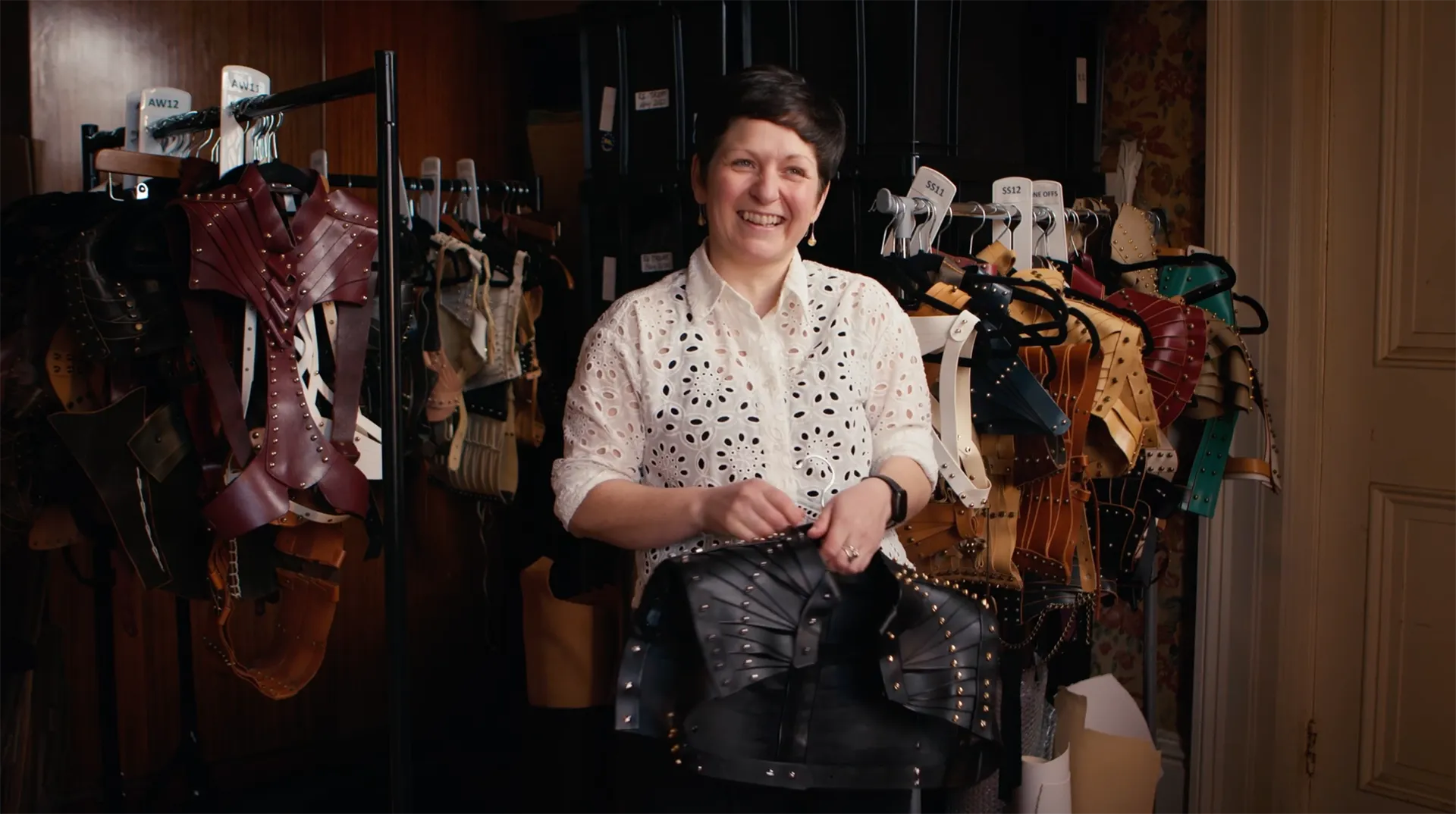
The turning point. Every conversion story pivots on a moment: a realisation, a failure, a frustration that finally boiled over, an encounter that reframed everything. This is where the energy of the story lives, because it is the moment the reader is quietly hoping for in their own situation. When we film founders telling their story, this is the point where they stop performing and start remembering. You can see the shift in the footage, and it is nearly always the take that makes the final cut.
The transformation. What you did about it. What you built, changed, learned or refused to keep doing. This is where the business enters the story, and it should arrive as a consequence of the journey rather than a sales pitch. The reader has followed you through the tension and the turn. The thing you now make is the resolution.
The connection back to the customer. This is the movement most tellings miss. The story ends by turning towards the person hearing it: this is why we understand what you’re navigating, and this is what the whole journey taught us about helping you through it. Without that turn, a conversion story is just a memoir.
Why Established Founders Hold Theirs Back
The founders with the strongest stories are often the most reluctant to tell them. We hear the same hesitations in strategy sessions. “I don’t want the brand to be about me.” “We’ve been trading fifteen years, that’s ancient history.” “The product should speak for itself.”
There is modesty in all of that, and it costs more than it protects.
A brand that never tells its conversion story reads as competent and interchangeable. The photography can be excellent, the packaging considered, the reviews strong, and a buyer weighing you against two similar brands still has nothing to hold on to. A story gives that buyer something to retell, and retelling is how preference spreads. It is also the one asset on your website a competitor cannot copy.
There is a quieter reason too. Your story feels ordinary to you because you lived it. The moment that changed the direction of your working life has become an anecdote you skip past at dinner. Familiarity is a poor judge of how a story lands on someone hearing it for the first time.
The reframe that unlocks it for most founders is this: telling the story well is an act of service. Your customer is somewhere along the same journey you took. Your story hands them a map, and proof that the path leads somewhere. Keeping it to yourself out of modesty keeps that map in a drawer.
Where the Story Earns Its Keep
Once the story is articulated, it works across almost every channel the brand touches.
The about page. For considered purchases, the about page is one of the most visited pages on a brand’s website. A conversion story turns it from a CV into the page that closes the sale.
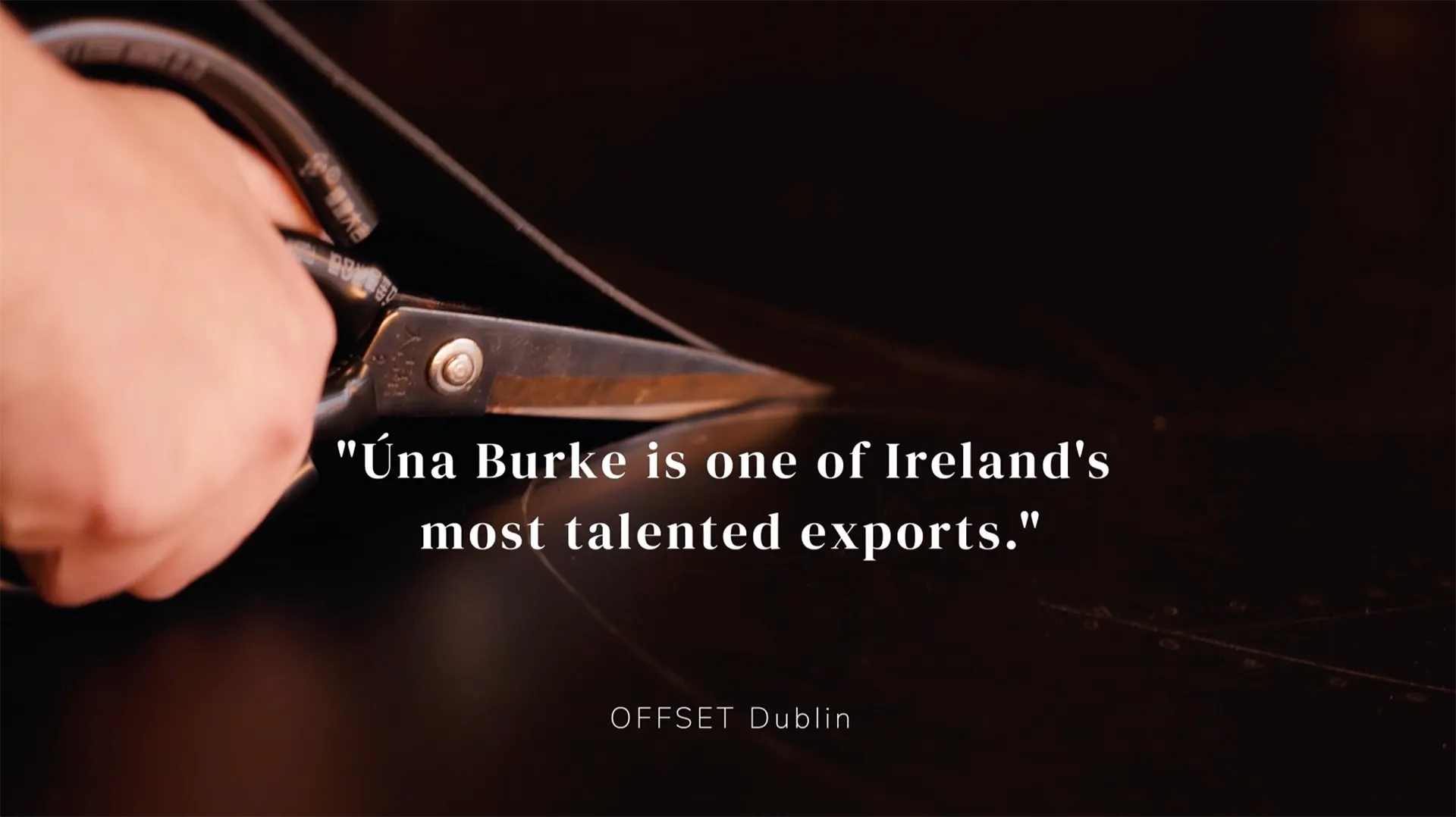
A brand film. Some stories need to be seen and heard to be believed. A brand film puts the founder’s conviction on camera, where tone of voice, hesitation and certainty all carry information the written word can’t. It is the highest-fidelity version of the story you can publish, and it keeps working for years after the shoot.
A podcast. Long-form audio gives the story room to breathe, for an audience that has chosen to listen rather than scroll. Whether that is your own show or guest appearances on other people’s, spoken retelling has a second benefit: it is how founders discover which parts of the story actually land.
Stockist and press conversations. Buyers and journalists both trade in stories. A stockist pitching your product to their customers needs something to say beyond the price point. A journalist needs an angle. The conversion story hands both of them their script.
The same story runs at different depths in each place. A paragraph on the about page. Ninety seconds in a film. Forty minutes on a podcast. Consistency across those depths is what builds recognition.
How to Surface Yours
Founders are usually too close to their own story to find it unaided. In our brand visual strategy work, the story rarely appears when we ask for it directly. It shows up sideways, in the answers to questions like these:
- What were you doing before this, and what made staying there impossible?
- What could you not find, buy or accept, that you ended up building instead?
- When did the change stop being an idea and become a decision?
- What do customers thank you for that you never expected?
The answer that comes with a pause in front of it is usually the one worth building on. Shaped through the four movements, it becomes a spine for everything else: the about page, the film script, the podcast episodes, the pitch deck, and the visual direction that should echo the same journey.
Most established brands are sitting on a story like this. It has simply never been asked the right questions.
If you suspect your brand has a stronger story than your website is currently telling, our brand visual strategy sessions are where we help founders find and shape it, and a brand film is often where it ends up living.